
On June 15 this year, Ryanair posted a TikTok about Row 11A. If you have ever flown budget, you know Row 11A. No window. Middle of the plane. The seat airlines quietly hope you do not notice until you are already on board.
The comments filled up immediately. Passengers who recognised themselves in it. People tagging friends who had booked the same fare. The usual chaos that follows when a brand says something true out loud.
Ryanair wrote the caption themselves. Three words. “Get a grip.” Then they let the comment section do the rest.
That video did more for their brand identity than any campaign they have paid for in years. No borrowed moment. No reactive play. Just a brand that knew exactly who it was and had the nerve to say so publicly in a way most companies would have workshopped into nothing.
The brands winning on social media right now are not the ones with the best content. They are the ones who figured out that the post is just the reason to show up. What happens after someone comments is where the relationship is actually built. Most brands have nobody assigned to that.
The Feed Is Saturated. The Comments Are Not.
Everyone has a content calendar. A creative team. A strategy document with KPIs nobody looks at after the quarterly review. The feed is drowning in content that took real hours to produce and gets scrolled past in half a second.
The comment section is where people are actually talking. Most brands are not there at all. The ones that are show up sounding like nobody you would want to talk to.
Hootsuite’s 2026 data found brands actively engaging in comment sections saw 22 percent more organic visibility. Not from posting more. From showing up differently, in the place most brands had already written off as a moderation task.
You are not competing with every other brand for attention in the comment section the way you are in the feed. The feed is professional. The comment section is still mostly human. That gap is the opportunity and it is closing fast.
Character Is Not a Campaign. It Is a Prerequisite.
In February 2026, a customer posted a TikTok slideshow. Competing supermarket brands showed up in the comments. Aldi UK called John Lewis “the rich guy.” Iceland Foods, a rival UK supermarket, told Aldi ‘desperate is not a good look’. The post got 2.5 million views.
Nobody planned that. There was no brief. But Aldi’s reply worked because their brand character was clear enough that one employee could express it in real time without asking anyone. They know who they are. The comment just gave them a place to show it.
If your brand voice lives only in a document nobody opens, one employee cannot express it under a viral post at 9pm on a Tuesday. You will look like a brand that saw something trending and decided to insert itself.
Community Is a Verb
Gymshark ran their Gymshark66 challenge in Q1 2026. Their social team spent the quarter going through thousands of customer videos and leaving actual form-check commentary. Specific feedback. Personal responses. Coaching in comment threads at scale for months.
45.5 million TikTok views. Not from one video that popped off. From months of someone on their team reading what customers posted and saying something back that meant something to the person reading it.
Douglas Lamont, CEO of Tony’s Chocolonely, an ethical chocolate brand, did a version of this on LinkedIn when the 2026 Chocolate Scorecard dropped. Skipped the press release. Got into the comments himself. Congratulated their co-winner. Answered questions about their sourcing model from whoever asked. The CEO as community manager. Not as a performance of accessibility. As an actual decision about where his time was worth spending.
Both point at the same thing. Community is not a metric you build toward. It is something you do consistently until it becomes what people associate with your brand. The brands that have real communities made a decision to show up in comments not as a campaign but as a habit.
When It Goes Wrong
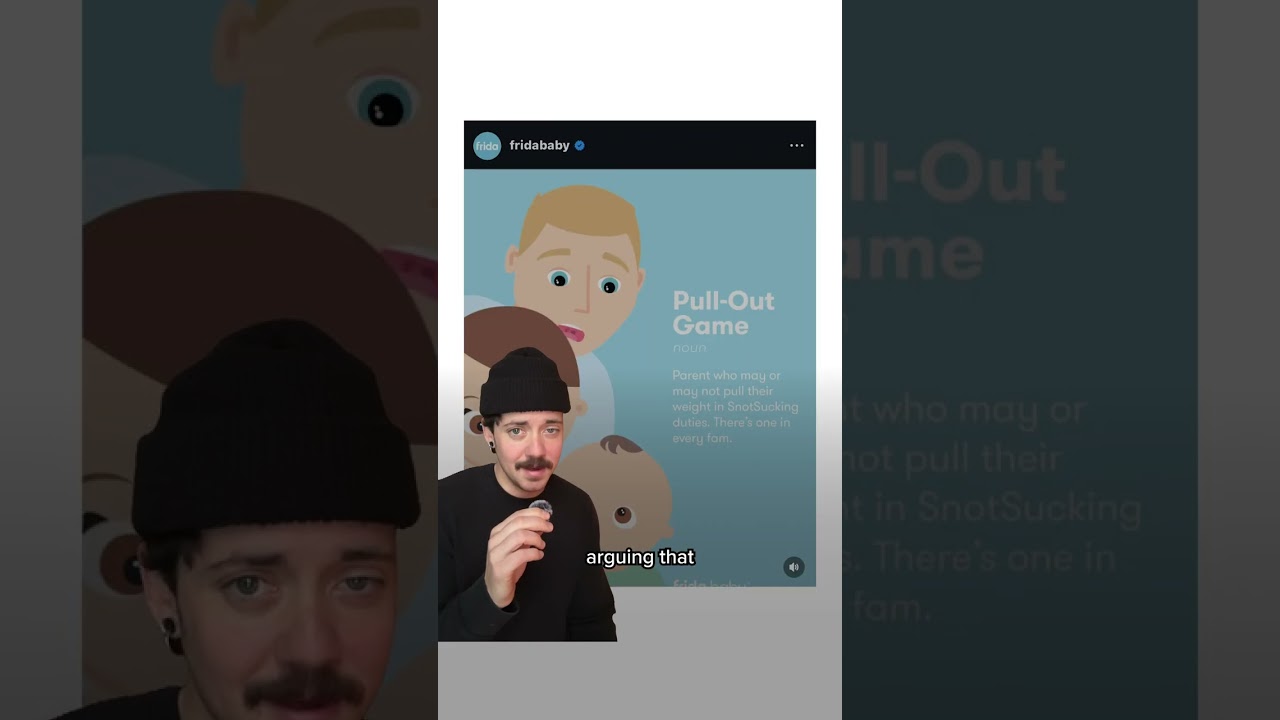
Frida Baby faced backlash in February 2026 over marketing language on baby product packaging. Parents flooded the comments. The brand turned them off.
The moment you disable comments during a crisis you confirm the conversation was never real. You were broadcasting at people while pretending to engage and when they pushed back you locked the door. The backlash moved to Reddit and X and grew. Over 4.8 million views on a critical post on X alone. That is what happens when you treat the comment section as a surface to manage rather than a place where the relationship either holds or it does not.
Monzo, a UK digital bank, made a different mistake. Their automated year-end summaries called out a customer named Fiona for being in the top three percent of McDonald’s spend. The edgy humor that works perfectly for a budget airline falls apart when you are talking about someone’s personal finances. Ryanair can tell you to get a grip because the relationship is transactional and everyone knows it. Monzo holds your salary. Your savings. The context that makes a joke land for one brand makes it feel like a betrayal from another. Monzo forgot which one they were.
Wowcher, a UK deals platform, sent an email with a subject line that trivialized a tragedy involving an injured child. Screenshots went everywhere. The apology that followed confirmed it should never have been written or sent. It also confirmed nobody caught it before it went out. Comment section or inbox, real-time participation in any channel requires real-time judgment. That is harder to build than a content calendar and most organizations have not done it.
The Most Interesting Example in the Room
Not every comment section strategy involves showing up in comments.
Liquid Death aired a terrifying AI-generated figure skating commercial during the 2026 Winter Olympics. A skater morphing into a red-eyed demon declaring the end of humanity. Then they kept it off all their own social channels. Deliberately.
Confused viewers went looking for it. Reddit threads filled up with people trying to confirm it was real, sharing it, arguing about it, doing the distribution work themselves. The absence was the strategy. The comment sections across Reddit became the campaign because Liquid Death built the conditions for it rather than showing up directly.
That is a different level of thinking. Brands asking how to show up in comment sections are one step behind. The question worth asking is how to make people fill comment sections on your behalf. That commercial would have died as a promoted post. As something people had to hunt for and prove existed, it became conversation nobody could buy.
The Post Is the Invitation
Most brands are spending everything on the post. The creative. The copy. The timing. The format. None of that is wrong.
But it treats the post as the destination when the post is just the opening.
The comment section is where people decide whether to stay. Whether to come back. Whether to tell someone else. Whether they feel anything about the brand or just registered that it exists.
68 percent of people between 18 and 40 unfollowed a brand in the past six months according to Edelman’s 2026 Trust Barometer. Forced trend-chasing was the reason given most. People do not need to analyze why something feels calculated. They just leave.
The brands winning are not the ones with the best content. They are the ones who understood that content is just the reason to show up. What you do when people respond is the actual work.
Most brands are still figuring out the post. The comment section is already decided.
CREZEMO helps brands develop content strategies and brand voices built for how social media actually works in 2026. If your brand is posting consistently and still not building real engagement, let’s talk.
FAQS
1: What is comment section marketing and should my brand be doing it?
It is the practice of showing up in replies, threads and discussions rather than only publishing feed content. Whether your brand should do it depends on one thing: whether you have a clear enough voice that someone on your team can represent it in real time without supervision. If yes, the comment section is one of the least competitive spaces left on social media. If no, fix the voice first.
2: What happens when a brand turns off comments during a backlash?
It makes everything worse. Disabling comments tells your audience the engagement was always one-directional. That you were broadcasting at them while performing dialogue. When people cannot respond where the brand is, they respond louder somewhere else and you lose control of the narrative entirely.
3: Does engaging in comments actually improve organic reach?
It does. The algorithm on most platforms reads comment activity as a signal of content value. A post generating genuine back-and-forth tells the platform something worth discussing happened here. That signal affects how widely the post gets distributed. Brands that treat the comment section as a moderation task are leaving organic reach on the table every single day.
