
Warner Bros. made a move that should grab the attention of any brand serious about growth. They spent $200 million not producing Superman, but marketing it.
That number is nearly equal to the film’s production budget of $225 million. Most studios stick to a common rule of thumb: spend about half the production cost on marketing. This campaign ignored that completely, hitting an 89 percent marketing-to-production ratio.
But the real takeaway isn’t the size of the spend. It’s how they spent it. Warner Bros. approached marketing not as an afterthought, but as a central part of the project. And every move they made holds lessons that apply whether your brand has $2,000 or $2 million.

How Superman Invaded Daily Life
This wasn’t a campaign built on commercials. It was built on presence.
Superman’s logo lit up the Empire State Building. The pyramids in Egypt displayed it too. A massive statue appeared on London’s skyline. These placements didn’t feel like ads. They felt like the character stepping into the real world.
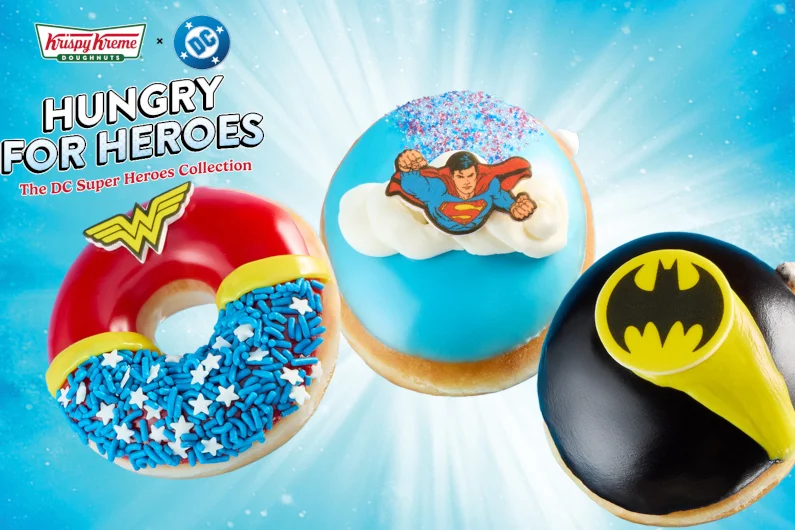
The partnership strategy stretched far beyond basic product tie-ins. Krispy Kreme created Superman-themed donuts that turned a regular coffee break into part of the story. Samsung added series of fan activations, Superman-themed video content and limited-edition digital artwork to promote Superman. Amazon integrated Superman references into Prime Video, Alexa responses, and Twitch streams. Everywhere audiences looked, Superman showed up as part of everyday life.
The biggest shift came in where the money went. Between 60 and 70 percent of the marketing budget focused on social media. Not traditional media, not billboards. Platforms like TikTok, YouTube, and Instagram took center stage. Why? Because the team realized that social engagement was a stronger predictor of box office success than any other metric.
Fame alone is no longer enough. Even a household name like Superman needed bold, creative, and sustained promotion to break through.
The Strategy That Actually Matters
Most headlines focused on the $200 million figure. But the number was not the innovation. The strategy was.
Warner Bros. didn’t wait to build the movie and then figure out how to promote it. They planned the marketing as part of the film’s production. After five underperforming DC releases, they needed more than just good trailers. They needed what the team called a franchise intervention.
This approach turns the traditional model on its head. Many brands build their product first and only think about marketing once it’s finished. If there’s budget left, they use it. If not, they scramble.
The Superman team started with the opposite view. Marketing was not a support function. It was product development.
For any business, that shift matters. Planning a $10,000 product launch? Set aside $4,000 to $6,000 for marketing before you even start building. Track marketing performance the same way you track development costs. Marketing is not a side project. It’s part of the foundation.
Speaking to Different Audiences Without Losing Focus
One of the smartest parts of the campaign was how it spoke to completely different types of audiences without weakening the brand.
For casual viewers, they created quick, funny TikToks. Superman dealing with burnout. Playing into trending challenges. Gen Z content that felt effortless and relevant.
At the same time, they built high-effort content for die-hard fans. Behind-the-scenes looks, director interviews, character analysis, and early access teasers. The kind of content that comic book communities eat up.
Both groups were hearing the same story. They were just receiving it in a format tailored to how they like to engage.
Smaller brands can apply the same idea. A bakery can post fun, visual content on Instagram for cake lovers while sharing technique tutorials in niche baking groups. The message stays consistent. The packaging adapts to the audience.
Taking Their Playbook (Without Hollywood Money)
Make Partnerships Tell Stories
Superman’s product partnerships didn’t just put logos on things. They built meaning into them. Fossil didn’t just sell watches. They sold the idea of being heroic, of carrying a part of Superman’s story on your wrist. Krispy Kreme made breakfast feel like a movie premiere. The same principle turned HBO’s The White Lotus into a global tourism phenomenon — because when brand stories show up in everyday life, they stop feeling like ads.
This can scale down easily. A local bookstore could team up with a coffee shop to create reading nooks. A yoga studio and a therapist might create a “mindful morning” program. The goal is not reach for the sake of reach. It’s using partnerships to expand the brand story in ways that feel natural.
Join Conversations, Don’t Start Them
Superman’s team didn’t spend months planning isolated campaigns. They jumped into existing trends. When social media users revived the Princess Diaries makeover trend, Superman got a version. When workplace burnout memes circulated, the campaign had its own take.
Today’s best content doesn’t always lead. It follows smartly, adding value to what people already care about. When a nurse’s plastic lobster went viral, brands like BMW jumped on the trend—proving that the smartest marketing follows what’s already working.
A gym can join wellness conversations with simple office workout tips. A restaurant can tie its menu into seasonal food trends. The goal is to contribute to conversations, not create noise.
Build Communities, Not Just Followers
The campaign invited fans to share personal stories about how Superman inspired them. It wasn’t just about likes and views. It was about connection.
This works just as well without a blockbuster film. A hairstylist could showcase client transformations. A contractor could highlight before-and-after stories. A digital tool could spotlight user wins. Invite participation, and reward engagement. Feature people, not just products.
Building community gives your brand staying power. It turns audiences into advocates.
The Multi-Platform Challenge
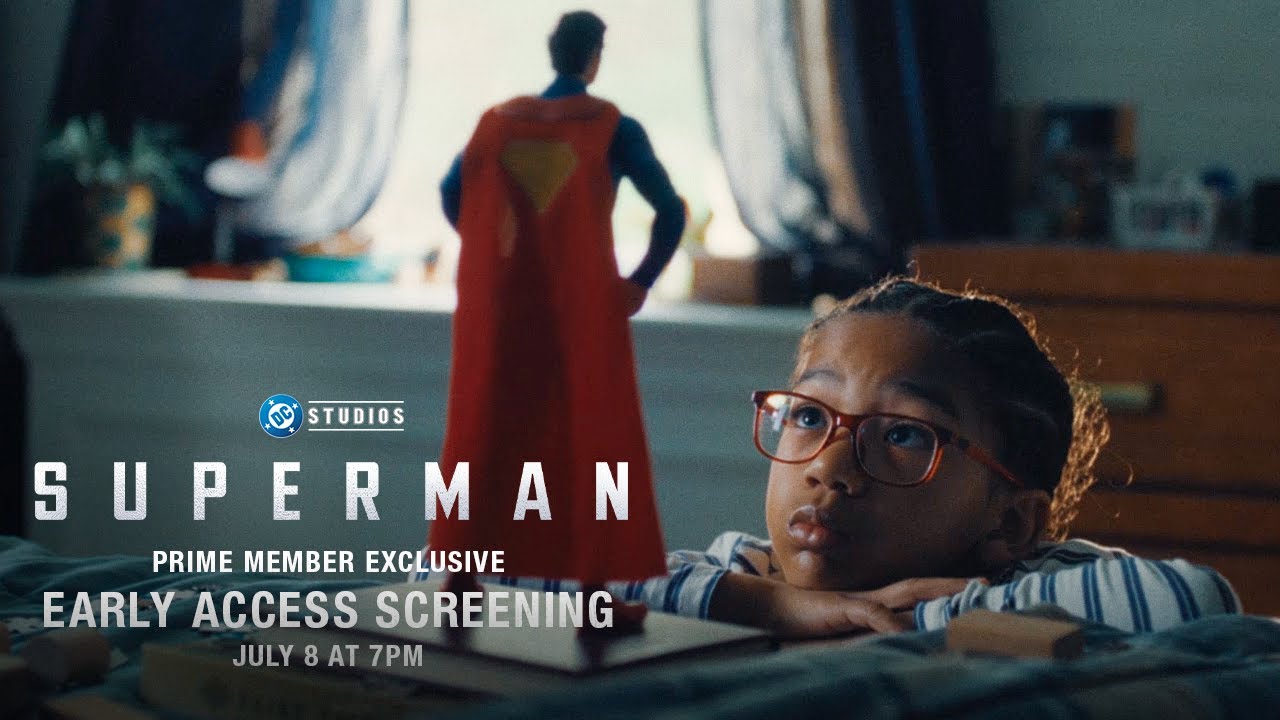
Superman’s campaign hit nearly every touchpoint in Amazon’s ecosystem. Prime Video, Alexa, Twitch, and even e-commerce product pages all reinforced the same message in ways tailored to each channel.
The lesson is clear: consistency doesn’t mean sameness. It means harmony.
Brands can apply this by mapping out how their customers interact across channels. Website. Instagram. Storefront. Email. Each platform should have its own purpose, but all should connect back to the same identity.
An HVAC company might use Instagram for behind-the-scenes repairs, Facebook for client reviews, its website for detailed service info, and email for tips and reminders. It’s not about volume. It’s about orchestration.
The Hard Truth About Modern Marketing
The Superman campaign makes one thing clear. A great product is not enough.
Relevance today takes effort. Smart, integrated, persistent effort.
This isn’t a call for bigger budgets. It’s a shift in mindset. Brands that win in the modern market aren’t waiting for attention. They’re designing for it. Not by chasing trends for the sake of it, but by shaping conversations, showing up where it matters, and connecting authentically.
Smaller brands actually have a unique advantage. While global campaigns must scale to every market, local brands can tap into community culture with agility and authenticity.
What This Means for Your Brand
Superman’s $200 million campaign was bold, but the real takeaway isn’t about spending. It’s about strategy.
The approach can work on any scale. Strategic partnerships. Community engagement. Platform-specific storytelling. Marketing as part of product development. These are universal principles.
The difference between brands that grow and those that struggle isn’t usually the size of the marketing budget. It’s how early and intentionally that marketing is built into the product’s journey.
This campaign succeeded because it made marketing essential. It built community, not just exposure. It joined culture, not just media plans.
Even one of the most recognizable characters in the world needed smart, focused promotion to cut through.
The cape is optional. The strategy is not.
If you’re ready to build marketing that doesn’t just promote your product but becomes part of your product’s DNA, let’s talk. Because even Superman needed the right team to fly.
FAQs
1. How much should you spend on marketing?
A good rule of thumb is 20-30% of your total budget, but it depends on your goals and industry. For new products or brands, you might need 40-60% to break through. The key is planning marketing costs upfront, not treating them as leftover money. Think of marketing as part of product development, not an add-on expense.
2. What is integrated marketing and why does it work?
Integrated marketing means all your channels work together with one consistent message, but each platform tells it differently. So your Instagram might be visual and fun, your email more detailed, and your website educational—but they all support the same brand story. It works because people see you everywhere and get a complete picture of what you offer.
3. How to create effective brand partnerships?
The best partnerships tell a story together, not just swap logos. Look for brands that share your values but serve different needs—like a bookstore partnering with a coffee shop. Make sure the partnership makes sense to both audiences and creates real value, not just exposure. Focus on building meaning, not just reach.
